

Our athletic therapists offer on-field and clinical assistance to a wide variety of athletes for common sports injuries.
For many people living with osteoarthritis, joint replacement surgery is often viewed as the final solution when pain and mobility challenges become difficult to manage. However, surgery is not always the right option for everyone. Some individuals may not be ready for a procedure, while others may be looking for ways to delay surgery or manage symptoms more effectively in the meantime.
That’s where comprehensive osteoarthritis care can play an important role. Even if joint replacement may be part of your future treatment plan, there are many non-surgical strategies that can help reduce pain, improve mobility, and support your quality of life today.
For individuals in Ottawa and the surrounding region, understanding the available options from KineMedics can help you make informed decisions about managing osteoarthritis and maintaining an active lifestyle.
Can Osteoarthritis Be Managed Without Joint Replacement?
In many cases, yes.
While severe osteoarthritis can eventually lead some individuals to consider surgery, many people successfully manage their symptoms for years through a combination of treatments, therapies, and lifestyle changes.
The goals of non-surgical osteoarthritis care typically include:
- Reducing pain and inflammation
- Improving joint function
- Maintaining mobility
- Supporting daily activities
- Delaying or avoiding surgery when appropriate
- Enhancing overall quality of life
The right approach depends on the severity of your condition, your lifestyle, and your personal health goals.
Understanding Osteoarthritis
Osteoarthritis is the most common form of arthritis. It occurs when the protective cartilage that cushions your joints gradually wears down over time.
As cartilage deteriorates, bones may begin to rub against each other, causing:
- Joint pain
- Stiffness
- Swelling
- Reduced flexibility
- Difficulty with movement
Osteoarthritis most commonly affects:
- Knees
- Hips
- Hands
- Spine
- Feet
According to the Government of Canada, millions of Canadians live with arthritis, making it one of the leading causes of pain and disability among adults.
When Is Joint Replacement Recommended?
Joint replacement is generally considered when:
- Pain significantly affects daily activities
- Conservative treatments are no longer effective
- Mobility becomes severely limited
- Quality of life continues to decline
However, surgery is not always the next immediate step.
Many healthcare providers recommend exploring non-surgical osteoarthritis care options before considering joint replacement. In fact, these approaches can often help individuals remain active and comfortable for longer periods.
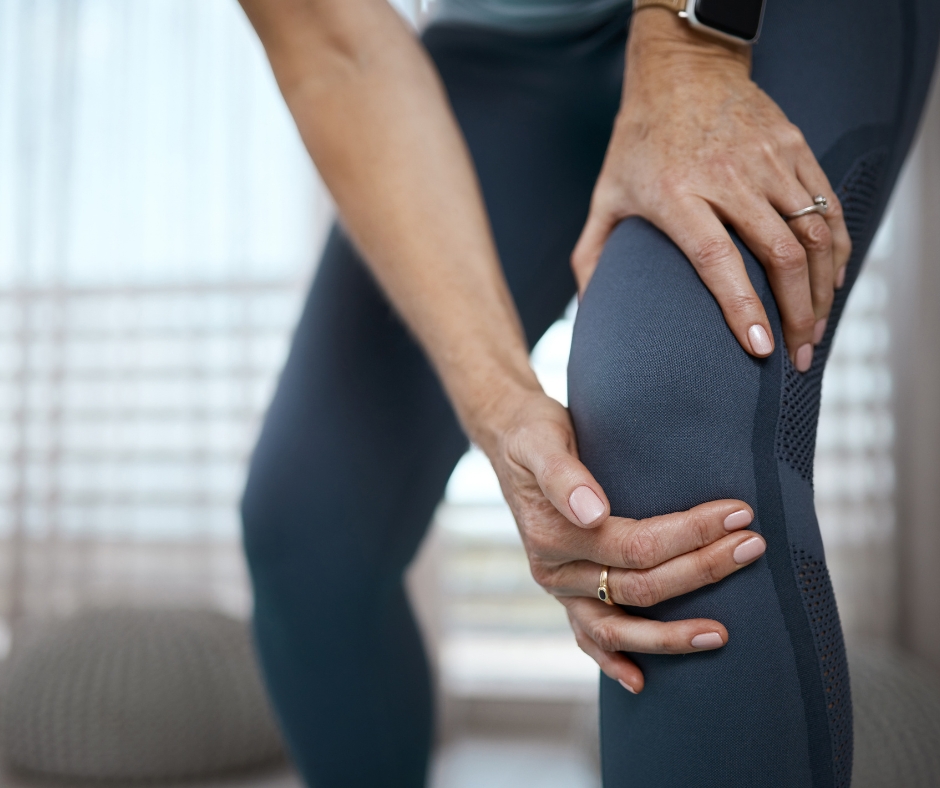
Non-Surgical Osteoarthritis Care Options
If you are looking for alternatives to joint replacement, several treatment strategies may help manage symptoms and support joint health.
1. Physical Therapy and Targeted Exercise
One of the most effective tools for managing osteoarthritis is movement.
Although it may seem counterintuitive, regular exercise can actually reduce pain and improve joint function.
A physiotherapist can create a personalized program that focuses on:
- Strengthening muscles around affected joints
- Improving flexibility
- Enhancing balance
- Increasing range of motion
- Supporting proper movement patterns
Common low-impact exercises include:
- Walking
- Swimming
- Cycling
- Water therapy
- Stretching routines
Over time, stronger muscles can help reduce stress on arthritic joints.
2. Compression Therapy and Joint Support
Joint discomfort often becomes worse when swelling and inflammation increase.
Compression garments and support products may help:
- Improve circulation
- Reduce swelling
- Provide joint stability
- Increase comfort during movement
Many of our clients find that compression sleeves, braces, and other support devices available from KineMedics become valuable components of their ongoing osteoarthritis care plan.
These solutions may be especially helpful for individuals who want to remain active while managing symptoms conservatively.
3. Pain Management Strategies
Pain management does not always require medication alone.
A comprehensive approach may include several therapies working together.
Common options include:
- Cold therapy: May help reduce swelling and inflammation.
- Heat therapy: Can help relax muscles and ease stiffness.
- Compression therapy: Supports circulation and recovery.
- TENS therapy: May help manage chronic pain.
- Bracing and supports: Can improve joint stability and confidence during movement.
Because every individual responds differently, finding the right combination often requires guidance from experienced healthcare professionals.
4. Weight Management
Maintaining a healthy weight can significantly impact osteoarthritis symptoms.
Even modest weight loss may reduce pressure on weight-bearing joints such as the knees and hips.
Research consistently shows that reducing excess joint stress can help improve mobility and decrease discomfort.
Benefits may include:
- Less joint pain
- Improved function
- Increased activity levels
- Reduced inflammation
For many individuals, weight management becomes a valuable long-term component of osteoarthritis care.
5. Mobility and Recovery Technologies
Advancements in rehabilitation and recovery technologies have expanded the options available to people living with osteoarthritis.
Depending on your situation, healthcare providers may recommend:
- Compression recovery systems
- Mobility aids
- Orthopedic supports
- Recovery devices
- Home rehabilitation tools
These solutions, available at KineMedics, can complement traditional therapies and help support daily function.

Signs That Conservative Treatment May Be Helping
Often, those living with osteoarthritis wonder whether their current treatment plan is working.
Positive signs may include:
- Reduced pain levels
- Increased walking distance
- Better joint flexibility
- Improved strength
- Greater confidence with daily activities
- Reduced reliance on pain medication
Progress often happens gradually. As a result, tracking improvements over time can help you recognize meaningful gains that might otherwise go unnoticed.
When Should You Reconsider Surgery?
While non-surgical care can be highly effective, some individuals eventually find that symptoms continue to progress.
You may wish to discuss surgical options with your healthcare provider if:
- Pain becomes severe and persistent
- Daily activities become increasingly difficult
- Conservative treatments no longer provide relief
- Sleep is regularly disrupted by pain
- Mobility significantly declines
The decision to pursue surgery is highly personal and should be based on your symptoms, goals, and overall health.
Why Early Osteoarthritis Care Matters
Many people wait until symptoms become severe before seeking support.
However, early intervention can often help preserve function and improve long-term outcomes.
Starting an osteoarthritis care plan sooner may help:
- Maintain joint mobility
- Slow functional decline
- Improve physical activity levels
- Reduce discomfort
- Support independence
Even small changes implemented early can have a meaningful impact over time.
How Ottawa-Area Residents Can Access Osteoarthritis Support
If you’re living with osteoarthritis in Ottawa or the surrounding communities, you don’t necessarily need to wait until surgery becomes your only option. At KineMedics, you can benefit from access to:
- Rehabilitation support
- Compression therapy solutions
- Joint support products
- Mobility assistance devices
- Personalized recovery recommendations
- Education about symptom management
Working with experienced professionals can help you identify solutions that align with your specific goals and lifestyle.
Frequently Asked Questions About Osteoarthritis Care
Can osteoarthritis be treated without surgery?
Yes. Many people successfully manage osteoarthritis through physical therapy, exercise, weight management, compression therapy, joint support products, and other conservative treatments.
What is the best non-surgical treatment for osteoarthritis?
There is no single best treatment. Effective osteoarthritis care often combines multiple approaches, including exercise, rehabilitation, pain management, and supportive devices.
Can osteoarthritis symptoms improve without joint replacement?
Many people experience significant improvements in pain, mobility, and daily function through non-surgical treatments, particularly when they begin treatment early.
How do I know if surgery is necessary?
Surgery is typically considered when symptoms significantly affect quality of life and conservative treatments no longer provide adequate relief. Your healthcare provider can help determine the most appropriate option for your situation.
Explore Your Osteoarthritis Care Options
Joint replacement surgery is not the only path forward for people living with osteoarthritis. Many individuals find meaningful relief through a combination of rehabilitation, mobility support, pain management strategies, and lifestyle changes.
The key is finding an approach that addresses your unique needs and helps you stay active, comfortable, and independent.
If you’re exploring non-surgical osteoarthritis solutions in Ottawa or the surrounding area, the KineMedics team can help you understand your options and identify products and therapies that support your goals.
Book a Consultation With KineMedics
Ready to learn more about non-surgical osteoarthritis management?
The KineMedics team can help you explore options to support mobility, reduce discomfort, and improve your quality of life.
Book a consultation today: