

Our athletic therapists offer on-field and clinical assistance to a wide variety of athletes for common sports injuries.
Recovering from surgery can be challenging, especially once you are back home and responsible for managing much of your own recovery. Pain, swelling and discomfort can make everyday activities more difficult. That is why cold therapy rentals can be a practical option for people looking for convenient support during the recovery process. With the right equipment, you can bring professional cold therapy into your home without having to purchase a device that you may only need temporarily.
Cold therapy, also called cryotherapy, has been used for years to help manage pain and swelling following injuries and surgical procedures. Today, specialized cold therapy systems can make the process more convenient than relying solely on traditional ice packs.
If cold therapy has been recommended as part of your recovery plan, understanding how it works, how long to use it, what your options are and how to use it safely can help you make the most of your time at home.
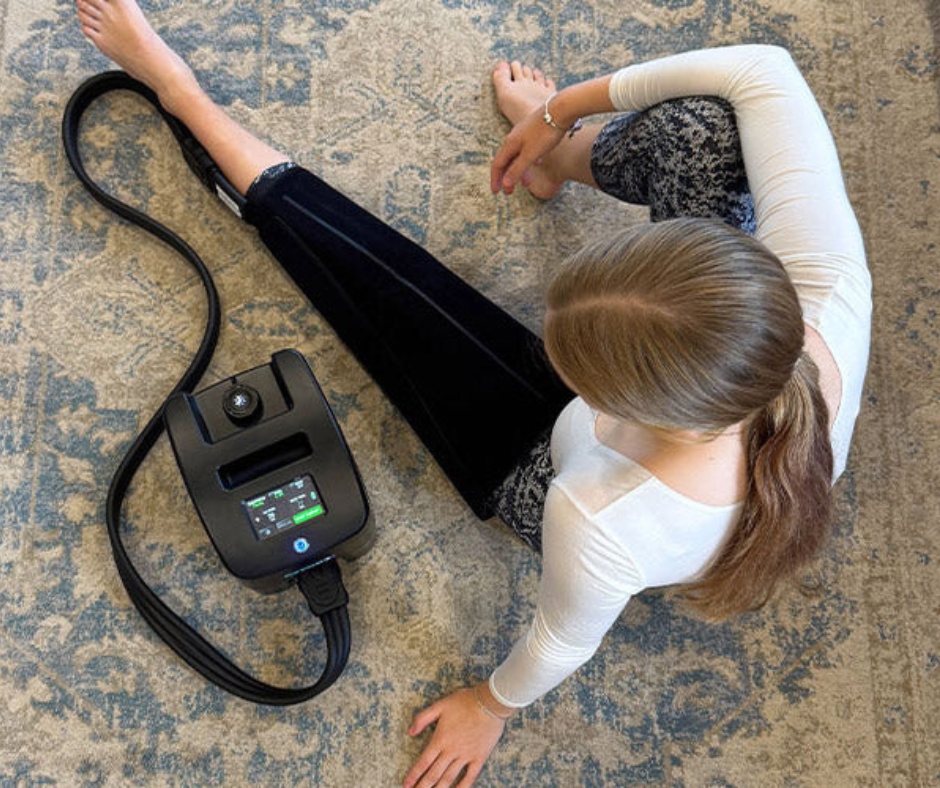
What is cold therapy?
Cold therapy involves applying controlled cooling to an area of the body following an injury or surgical procedure. Cooling can temporarily numb the area and reduce local blood flow, which may help manage pain and swelling.
A traditional approach might involve an ice pack or reusable cold pack. Cold therapy machines offer another option, using a cooling unit and a specialized pad that fits around the area being treated. Some systems also combine cooling with intermittent compression.
The advantage of a dedicated cold therapy system is convenience and consistency. Rather than repeatedly preparing ice packs, a cold therapy machine is designed specifically for therapeutic cooling and can be incorporated into your home recovery routine.
The right option depends on your procedure, your recovery needs and the recommendations you have received from your healthcare team.
Why is cold therapy used after surgery?
Pain and swelling are common during many types of post-surgical recovery. Your body needs time to heal, and the affected area may be uncomfortable as you begin moving, exercising and returning to normal activities.
Cold therapy may be recommended as one part of your recovery routine to help manage these symptoms. When pain and swelling are better controlled, everyday recovery activities may feel more manageable.
It is important to remember that cold therapy is only one part of recovery. Depending on your procedure, your recovery plan may also include medication, rest, elevation, prescribed exercises, physiotherapy, mobility restrictions or other treatments.
Cold therapy should complement these recommendations rather than replace them.
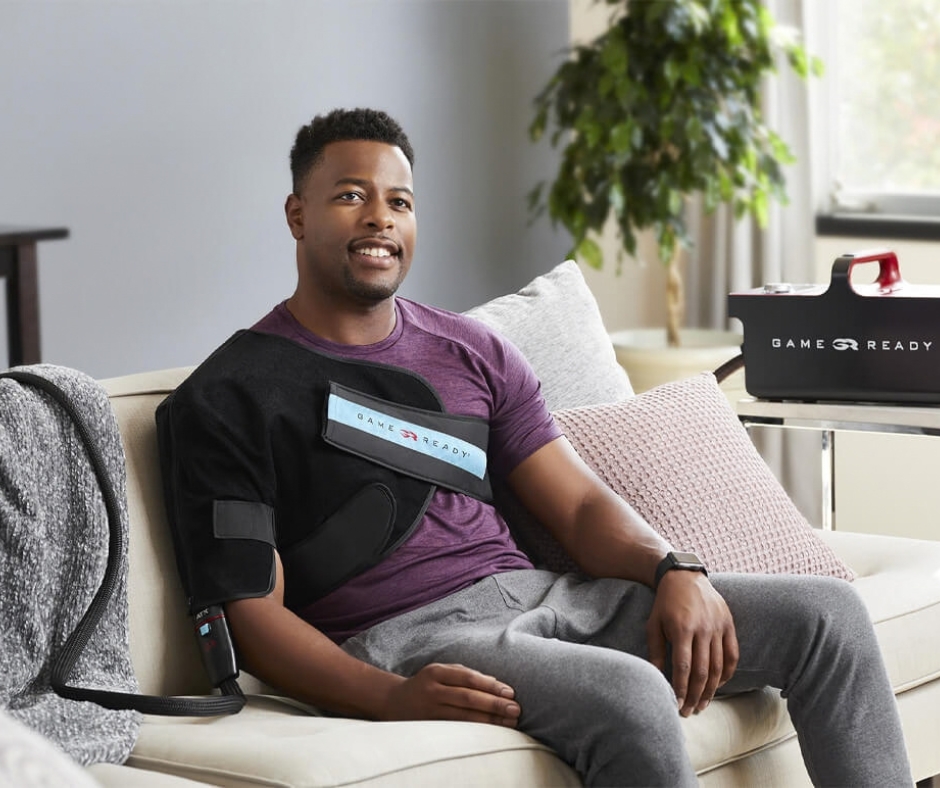
Why consider cold therapy rentals?
Most people do not need recovery equipment forever. You may need a cold therapy system for a specific period following surgery, then no longer have a use for it once you have progressed further in your recovery.
That is where cold therapy rentals can make sense.
Renting allows you to access specialized equipment during the period when you need it, without making a permanent purchase. It can also be a convenient option if you are preparing for surgery and want to have your recovery equipment ready before you return home.
However, renting is not necessarily the right choice for everyone. If you expect to use cold therapy for an extended period, anticipate multiple surgeries or expect to need the equipment repeatedly, purchasing a system may make more financial sense over time.
The type of system you choose also matters. Some rental units combine cold therapy with intermittent compression, providing two treatment approaches in one system. This combination is an important consideration when comparing a rental system with a cold therapy-only unit available for purchase.
KineMedics offers rental options for post-surgical recovery and rehabilitation, including Game Ready and Cryon-X One.
Depending on your needs, renting can provide:
- Convenient access to specialized recovery equipment at home
- A practical solution for short-term recovery
- Access to cold therapy combined with intermittent compression, depending on the system
- No need to purchase equipment you may only use temporarily
- The ability to return the equipment when your recovery needs change
- Support in understanding your available rental options
Explore KineMedics Rental Options
If cold therapy is part of your recovery plan, KineMedics can help you explore available equipment and rental options.
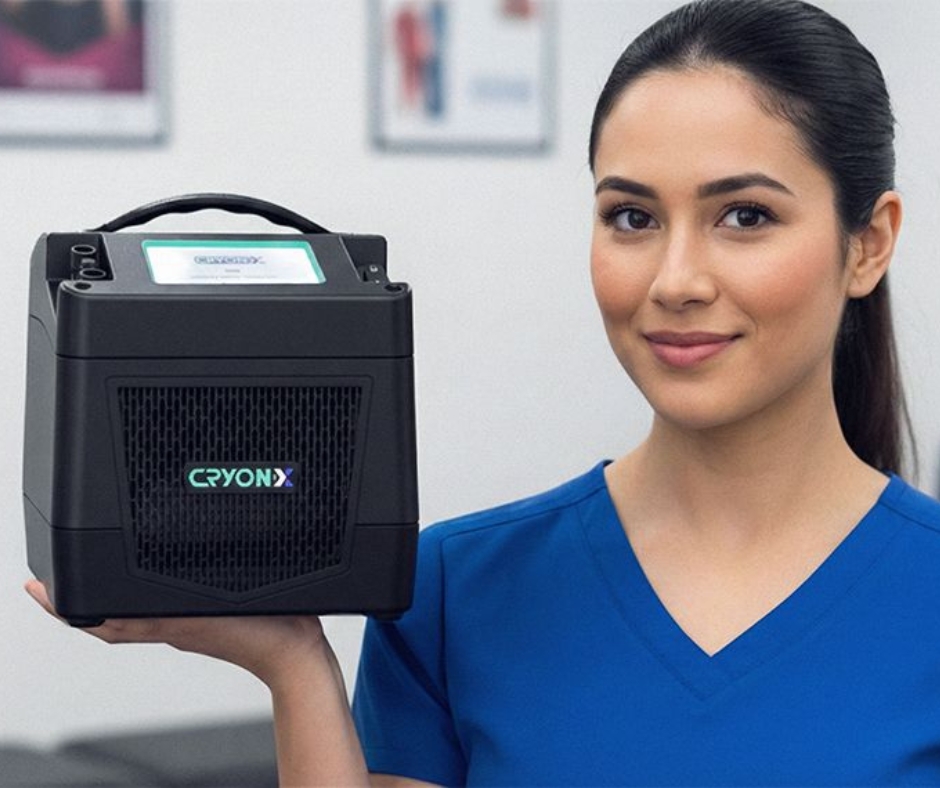
Game Ready vs. Cryon-X One
If you have been told that cold therapy could be helpful during your recovery, you may discover that there are several types of equipment available.
KineMedics offers two options: Game Ready and Cryon-X One. Both provide cold therapy, while these systems also incorporate intermittent compression, making the combination of treatments an important part of the rental offering.
Game Ready
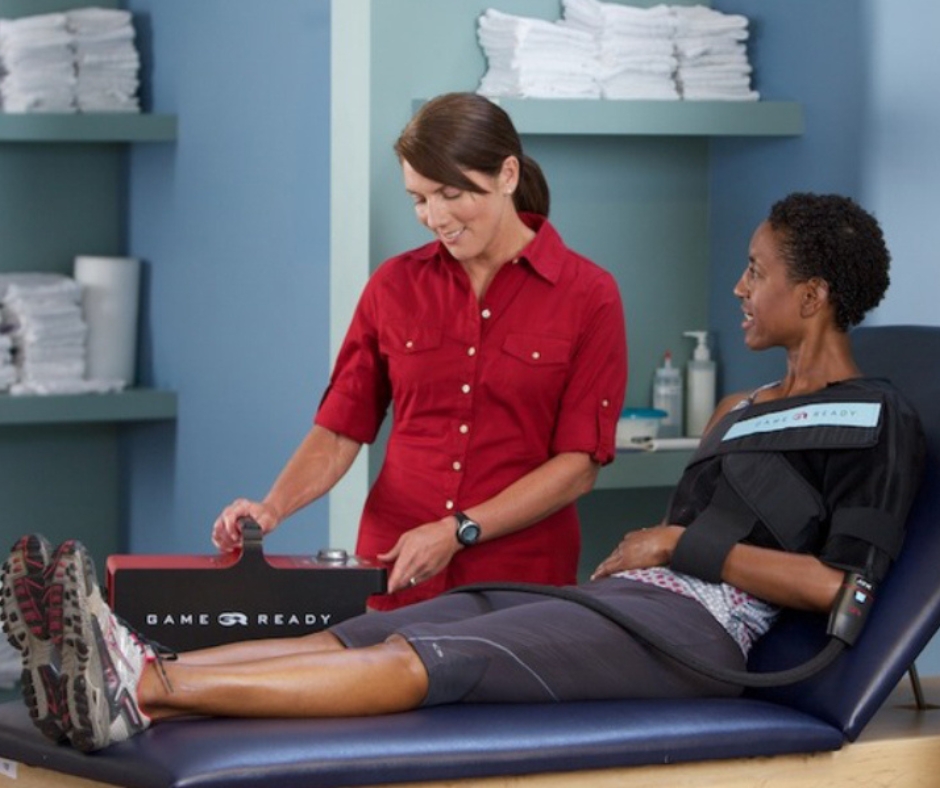
Game Ready combines cold therapy with intermittent compression in one system. The system uses a wrap or pad around the affected area while circulating cooled water and providing intermittent compression.
This combination can be useful for people whose recovery plan calls for both cold therapy and compression.
Game Ready is available through KineMedics as a rental, making it an option for people who need combined cold therapy and compression for a defined recovery period.
Learn more about Game Ready rental
Cryon-X One
Cryon-X One is another cold therapy system available through KineMedics that combines cooling with intermittent compression.
As with any recovery equipment, the choice between systems should be based on your individual recovery needs, expected length of use and the recommendations provided by your healthcare professional.
If you are unsure which option is right for you, the KineMedics team can help you understand the available equipment and rental options.
Learn more about Cryon-X One rental
How can cold therapy fit into your home recovery routine?
Recovery at home is often about finding a manageable routine.
You may have several things to keep track of, from medication and appointments to exercises and restrictions on movement. Having recovery equipment ready and accessible can make it easier to follow the recommendations you have been given.
Depending on your specific recovery plan, cold therapy may be used in 20- to 30-minute treatment periods, with adequate rest between sessions. Your healthcare professional or the equipment provider can explain how your particular system should be used.
It can also be helpful to set up a comfortable recovery area at home where you have easy access to the equipment, water, charging or power supplies and anything else you need.
The goal is not to make recovery complicated. It is to have the right tools available when you need them.
Is cold therapy right for everyone?
Cold therapy is not appropriate for every person or every surgical procedure.
Before using cold therapy, follow the recommendations you have received from your surgeon, physiotherapist or other healthcare professional. Certain medical conditions, including circulation or sensation problems, may require additional precautions.
You should also follow the instructions provided with your specific cold therapy system. Do not assume that more cooling or longer treatment will produce better results.
Cold therapy should also never be used as a way to ignore symptoms that could indicate a complication. If you experience significant or worsening pain, unusual swelling, redness, drainage, fever or other concerning symptoms following surgery, contact your healthcare team.
How to use cold therapy safely
Using cold therapy properly is important. Even though cooling can be helpful, excessive exposure to cold can damage the skin.
Keep these general safety considerations in mind:
- Follow the instructions provided for your specific device
- Follow the recommended treatment and rest periods
- Do not place ice or extremely cold materials directly against bare skin
- Check your skin regularly while using cold therapy
- Stop treatment if you experience burning, significant discomfort, numbness or unusual skin changes
- Follow any specific instructions provided by your healthcare professional
- Do not use cold therapy as a substitute for your prescribed recovery plan
If you are unsure how to use your equipment, ask for guidance before beginning treatment.
Frequently Asked Questions About Cold Therapy After Surgery
What is cold therapy used for after surgery?
Cold therapy may be used to help manage pain and swelling following certain surgical procedures. It can be incorporated into a broader recovery plan alongside other recommendations from your healthcare team.
How long should I use cold therapy at a time?
A general guideline is to use cold therapy for approximately 20 to 30 minutes per treatment, followed by a rest period of at least twice the treatment time. For example, a 20-minute treatment would generally be followed by at least 40 minutes of rest.
Your specific treatment schedule may be different, so always follow the instructions provided for your particular device and recovery plan.
Are cold therapy machines better than ice packs?
Not necessarily. Cold therapy machines and traditional cold packs are different ways of applying cooling, and the appropriate option depends on the individual and the type of recovery involved.
Dedicated cold therapy systems can offer convenience and a more structured approach to applying cooling. Some systems also combine cold therapy with intermittent compression, providing an additional treatment option.
Your healthcare professional can help determine what is suitable for you.
Should I rent or buy a cold therapy system?
It depends on how long and how often you expect to use it.
Renting can be practical when you need equipment for a short-term recovery. However, if you expect to use a system for an extended period, require it following multiple surgeries or anticipate repeated rentals, purchasing may be more economical over time.
It is also important to compare the type of equipment. Some systems available for purchase provide cold therapy alone, while rental systems such as Game Ready and Cryon-X One combine cold therapy with intermittent compression.
Can I extend my rental if I need the equipment longer?
Yes. If your recovery takes longer than expected and you need your cold therapy system for an extended period, you can contact the KineMedics team to discuss extending your rental.
Can I use cold therapy directly on my incision?
Cold therapy should not be applied directly to bare skin unless the specific device instructions expressly indicate otherwise. Extra care is particularly important around a healing incision or surgical dressing.
Follow the instructions provided by your healthcare team and the manufacturer of your equipment.
What is the difference between Game Ready and Cryon-X One?
Both are cold therapy options available through KineMedics, and both incorporate intermittent compression.
The right option depends on your recovery needs, expected length of use and the recommendations you have received.
Why rent a cold therapy device instead of buying one?
Recovery equipment is often only needed temporarily. Cold therapy rentals give you access to specialized equipment during your recovery without requiring you to purchase and store the equipment permanently.
However, rental is not always the most economical option. If you anticipate prolonged use or multiple surgeries requiring cold therapy, purchasing a system may be worth considering.
KineMedics offers rental options including Game Ready and Cryon-X One for people who need cold therapy and intermittent compression during recovery.
Not sure which cold therapy option you need?
Choosing recovery equipment can feel overwhelming, especially when you are preparing for surgery or already dealing with pain and limited mobility.
You do not have to figure it out on your own. If you have questions about cold therapy, rental equipment or which option may be appropriate for your recovery, you can speak with the KineMedics team.
Book a KineMedics Consultation
A consultation can help you better understand your available options and what may fit your recovery needs. Book a consultation today.